Henry Clark
Baking is way beyond a fun thing to do or just getting food ready; it’s like a strange mix of math, cool designs, and money stuff that people have been really into for a long, long time. If you play a game on your phone where you match cookies, or enter a shop that grinds wheat, you do the same things every time—it’s pretty wild You kneads rolls sells sifts.
You turn uncooked grain into something yummy to eat, following steps that feel like a dance, and everyone knows these moves when they make food. When we look closely at four important things—squishing the dough, using a pin to flatten it, giving it to someone to eat, and shaking out the lumps—we get to see how much skill it takes to make bread or sweets taste just right. This thing will look at these main points of what it means to bake, taking us deep into how they change both the games we play and the food we enjoy every day.
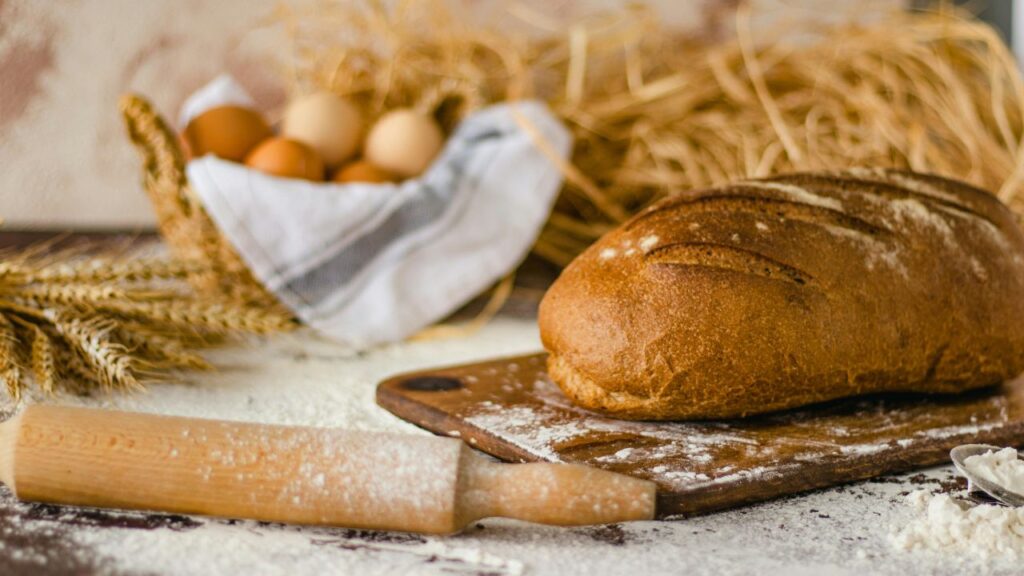
Kneads The Foundation of Every Great Loaf
When people jaw about bread stuff, it starts with bakers tickling the flour with both paws. Not just any mix, it is like pulling and cuddling it so gluten can grow, for loaves to rise high. If baking big or facing trouble, it is like shaping a thought into stuff you need. Ditch this step, bread turns out dense, a real bummer instead of kneads rolls sells sifts with some bounce. Some bakers use gizmos, but nice shops prefer hand feels, so the bread gets stretch and give.
Rolls Shaping the Sweet and Savory Success
Once the baker perfects the dough and lets it rest, they spin it into shapes that hint at how it will feel and taste. This step rules pastry land and breakfast tables alike. They knead, roll, sell, and sift—rolling it super flat so butter can slip in, or sprinkling in tasty treats like cinnamon and sugar. In game stuff, this gig often shows the switch from basic stuff to a cool, known form, nudging the player near a win. Actual bake shops, like Southern Kneads, usually make a name just off their yeast rolls, proving that how dough gets shaped and fussed with can nail or kill the taste feel for folks.
Sifts Refining the Ingredients for Perfection
Before the water gets near flour, the baker shakes the dry stuff so there’s no lumps and it’s airy. This part is like a “clean up” for baking, so flour mixes well with other stuff. Shaking also helps spread things like baking powder evenly, so there are no yucky bits. Fancy places like kneads rolls sells sifts Bake Shop care a lot about this to make treats that look and taste amazing. Basically, shaking means finding good stuff, getting rid of what’s not needed to only have the best for the cake.
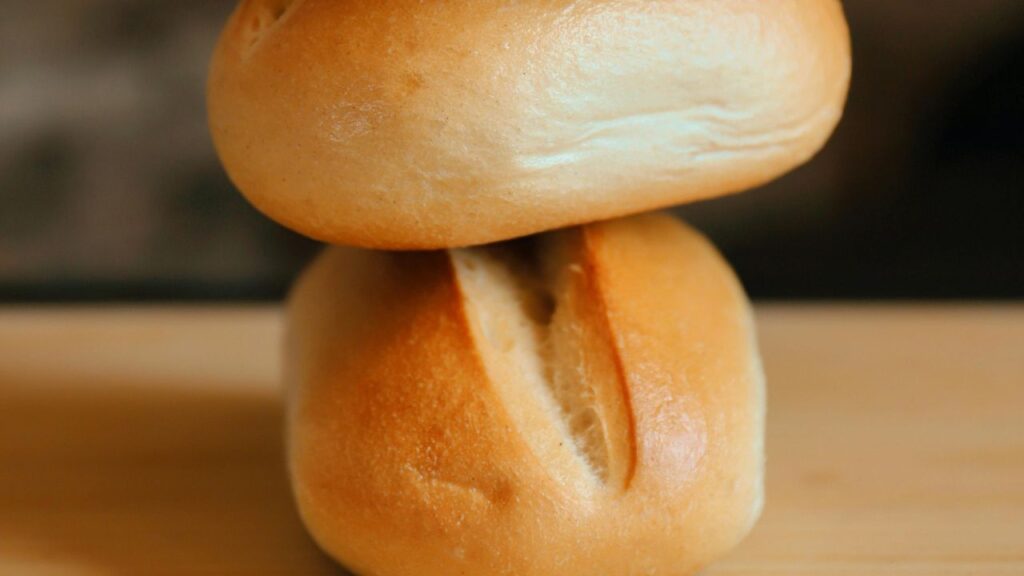
Sells The Bridge Between the Oven and the Table
The last, maybe best bit of the food loop is when the cook hawks their goods to a hungry town. This money part turns a fun hobby into a firm that lasts, like beating a level on Cookie Jam. Selling feels like more than just a deal; it shows off all the hard work that went into mixing, shaping, and dusting steps. Spots like Kneads Bakery • Café • Mill nail this link by making a nice place where home flour and breads meet folks nearby. It’s when the “oven world” hugs our own, giving food and glee to people by just trading stuff for money.
Flour Power The Importance of Fresh Milling Techniques
The flour from “home-ground” stuff changed how we see stuff for our bread. Bakeries grinding grains right there keep all the good stuff lost in most store flour. This focus on kneads rolls sells sifts means each bread tastes deep and is way better for you. Folks want to know where food comes from and how it’s made more and more now. Bakers change how flour feels to fit recipes just right by milling, like strong sourdough or soft brioche.
Digital Dough Why Baking Themes Dominate Puzzle Games
It’s not by chance that games such as Cookie Jam use words like “kneads” and also “sifts” for game moves, since baking is like a code for treats and getting better that everyone gets. Puzzle games where you match three things do well because they let you mix easy stuff to make cool and happy things, just like mixing flour, water, plus some yeast. Those games poke at our built-in want to fix messes, using common kitchen steps to take folks through harder tasks. The bright pictures and “yummy” noises copy the good feelings of a real kneads rolls sells sifts so the game feels like it gives rewards and calms you down too. This mix of fun games and cooking art really shows how much baking hangs around in how we live now.
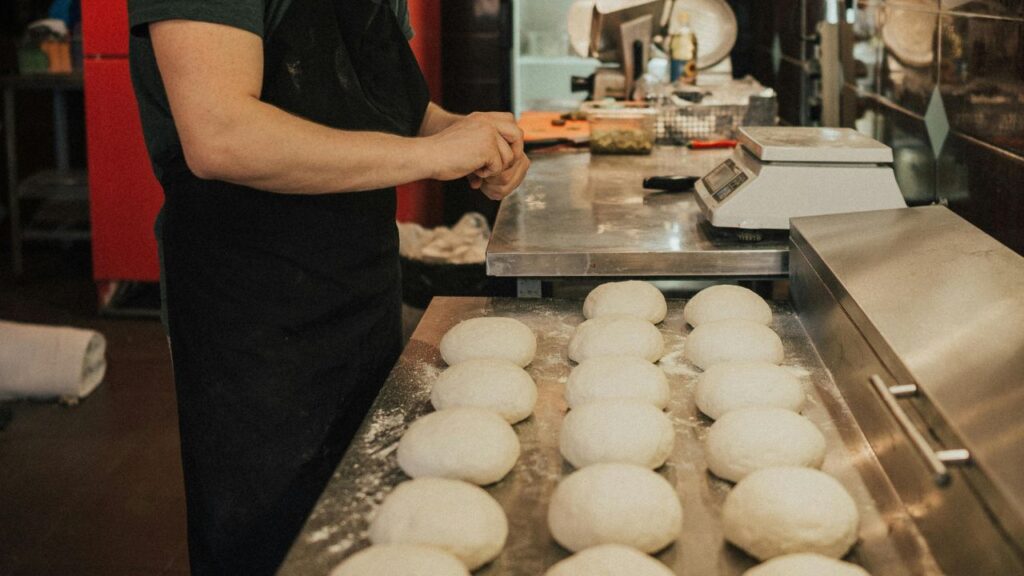
The Rise of Artisan Bakeries in Local Communities
Bakeries in small towns plus quaint bake places saw a big comeback, since folks ditched snacks made in factories for real, handmade stuff. These joints usually do “slow food,” letting dough rise, shaping it by hand with all the time it needs, not fast for cash. When at a local craftsman shop, you buy more than bread; you help a person who gets how “knead” works, the “sift” skill. This link to the maker builds a cool trust feeling which big store chains can’t just copy. As more folks find a taste and quality gap, these small spots do great, using old ways that still rock.
Mastering the Home Kitchen Tips for Aspiring Bakers
If you want your kitchen to feel like a bakery, learning the dance moves of baking helps you win. Get flour that’s really good and a scale for your kitchen because being super exact helps recipes work. Let your hands get covered in flour because feeling dough change while mixing it only happens if you keep trying. Always shake the dry stuff to stop blobs, and watch how warm your kitchen is because yeast lives and feels the room. If you don’t rush and you’re okay with messing up sometimes, your kitchen can be a cool place like a really nice coffee shop.
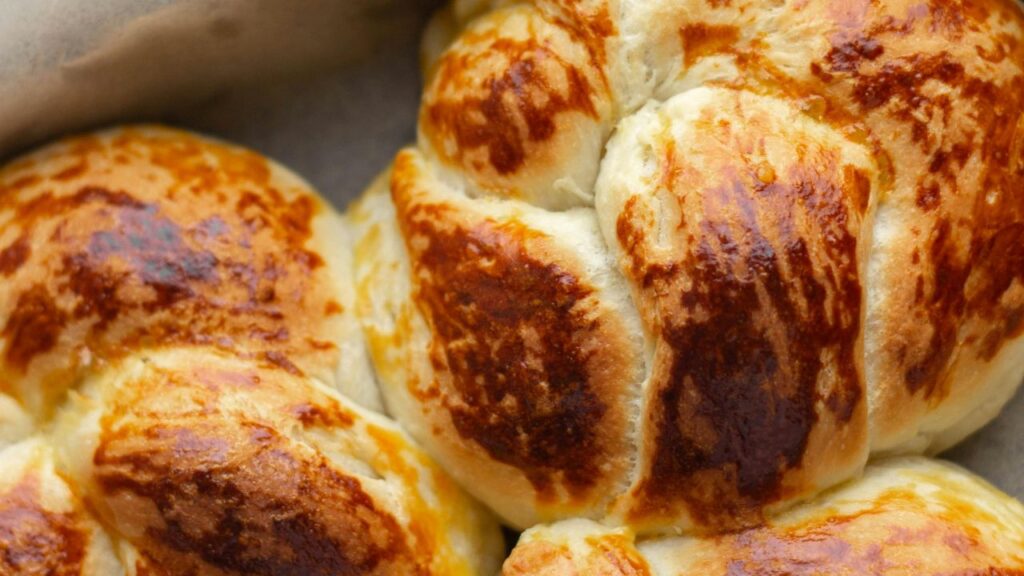
The Future of Baking Sustainability and Innovation
Staring into the bakery’s crystal ball, it seems baking flips toward greener acts and odd stuff. By using old-timey grains that sip less water to make no-trash rules in the bake place, new bakers show green smarts. Also, rolls without gluten and plants grow, tasting just like old breads and sweets. Tech joins the bake fest too, smart ovens and phone helpers aid home bakers in baking like pros every single time. Though things change, the heart stays put, gentle hands, tasty stuff, plus the joy of sharing bites, are still key.
The Core Four Mechanics vs. Reality
| Action | Gameplay Role (e.g., Cookie Jam) | Professional Bakery Application | Sensory Experience |
| Kneads | A preparation stage to clear blockers or prep dough. | Developing gluten structure for bread elasticity. | Feeling the dough transform from sticky to smooth. |
| Rolls | Shaping the items for final “baking” level goals. | Creating layers in pastries or portioning yeast rolls. | The rhythmic sound of a rolling pin on a floured surface. |
| Sifts | Refinement of board pieces or clearing dry debris. | Aerating flour and removing lumps for delicate textures. | Watching a fine “snow” of flour fall into a mixing bowl. |
| Sells | The completion of a level or earning in-game currency. | The commercial transaction and customer interaction. | The smell of fresh bread meeting the happy customer. |
FAQ’s
1. Why are these specific terms used in Cookie Jam?
In Cookie Jam, some words act like strange signs, showing how each food level dances, like a tasty dream. Using food words, for instance, “kneads” and “sifts,” the game now feels like a real dream, like you’re in a bakery, doing odd food rituals. It turns a plain puzzle into a fun trip through a chef’s brain.
2. What is the most important step for a beginner baker?
Each piece counts, but new bakers should watch kneading like a hawk. The last bread feel relies on this; weak kneading makes sad, flat bread. Good kneading blows up airy pockets that make soft, springy bread. Knowing the dough feel shows you’re a bread master for real.
3. Is there a difference between sifting and whisking dry ingredients?
Okay, these things do connect. A flour bath through mesh gets air going and chops pesky lumps. That’s a must for light cakes, and pastries too. Whisking mixes stuff well, but a sifter aerates flour and grabs those sneaky lumps. For a top-notch yummy treat, sifting always wins, and should be preferred.
4. Why do artisan bakeries like Kneads or Sift Bake Shop mill their own flour?
Craft bakeries sometimes have a “whirly thing” since new flour holds wheat stuff and wetness that gets lost when made by big companies. It makes food taste better and have more good stuff inside. It lets the cook boss around the “shake” and “smoosh” parts, from when the seed changes shape.
5. Can I practice these baking actions without professional equipment?
Yes indeed. Usually, hands do all these things themselves, by custom. Dough needs no big machine to be pushed, plus sieves held by folks do sifting well. “Rolls” take form on surfaces that are clean using pins, or glass when you’re stuck. Baking is quite an easy thing, it likes skill and calm much more than costly toys.